
04/07/2025
Foshan Historical Culture and Experiential Learning Mainland Investigation
Foshan Historical Culture and Experiential Learning Mainland Investigation
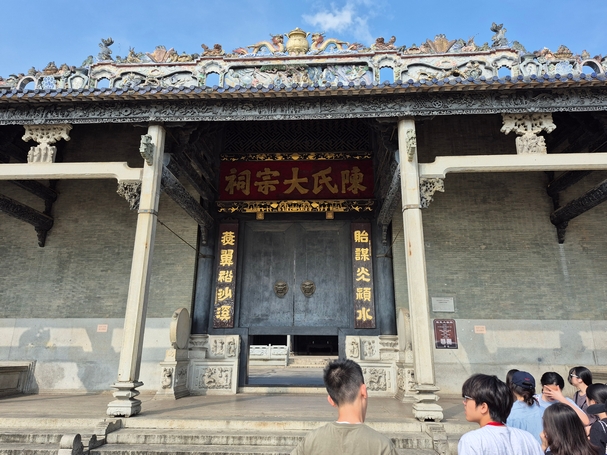
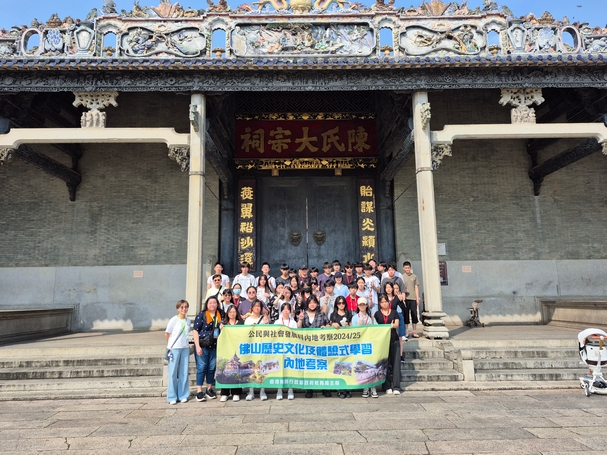
(第三天_順德祠堂+南風古灶+製陶廳)
Day 3_Shunde Ancestral Hall + Ancient Nanfeng Kiln + Pottery Hall
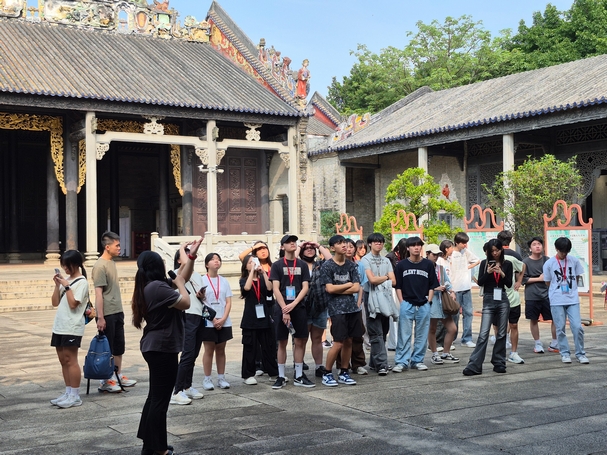
"Shunde Ancestral Halls" originated in the Song and Yuan Dynasties and flourished in the Ming and Qing Dynasties. For those from the Central Plains who migrated south at that time, especially those who achieved the top scholar or Jinshi, the ancestral halls served as important venues for expressing ancestral love, longing for their homeland, and cultural identity. Furthermore, Shunde, known as the "Southern Silk Capital," was one of the origins of ancient China's foreign trade along the Maritime Silk Road, and has a long history of Shunde residents residing abroad. These overseas Chinese, expressing their longing for their hometown and their commitment to traditional culture, have organized numerous Shunde hometown associations abroad and returned to their hometown to build family temples or ancestral halls.
Learning Focus:
• Consider the impact and historical value of traditional ancestral hall culture and family values on family members.
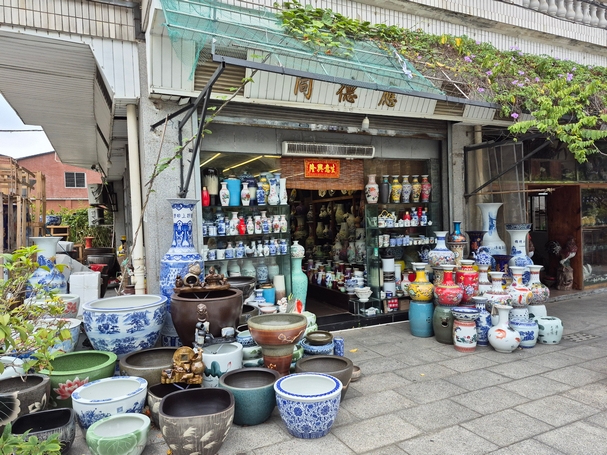
Ancient Nanfeng Kiln is a kiln located on Gaomiao Road, Shiwan Town, Foshan City, Guangdong Province. Founded in 1506 during the Zhengde reign of the Ming Dynasty, it boasts a history of over 500 years. It holds significant value for the study of the development of Chinese ceramic production technology. Ancient Nanfeng Kiln is a National Key Cultural Relic Protection Unit and a National AAAA-level Tourist Attraction.
In recent years, with Ancient Nanfeng Kiln as its center and ceramic culture as its theme, the Ancient Nanfeng Kiln Tourist Area has expanded to nearly 400 acres through continuous development. Nanfeng Ancient Kiln's main attractions include the Guangdong Shiwan Ceramics Museum, Shiwan Figurine Street, the International Pottery Village, the Ancient Kiln Rongfeng, and the Ancient Liaochang.
Learning Focus:
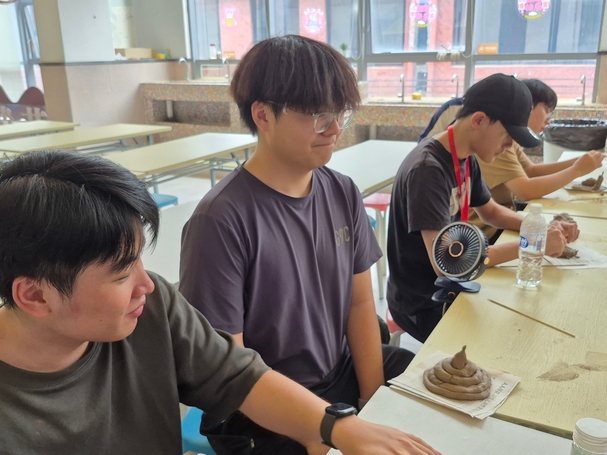
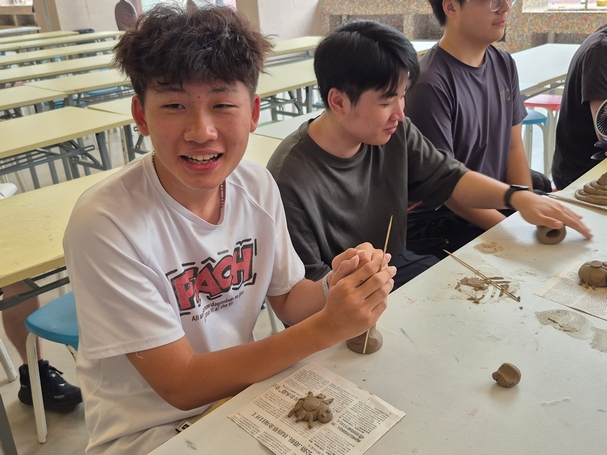
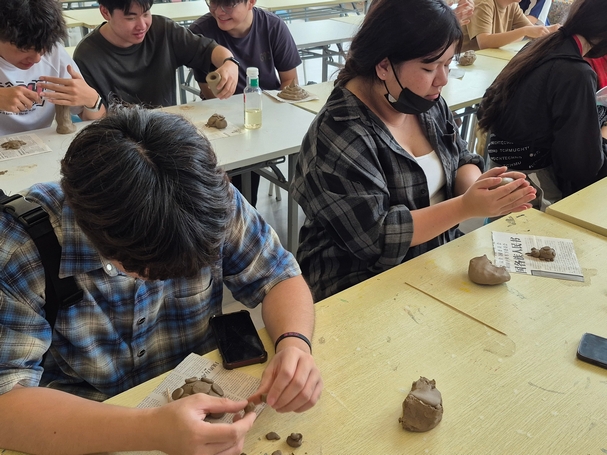
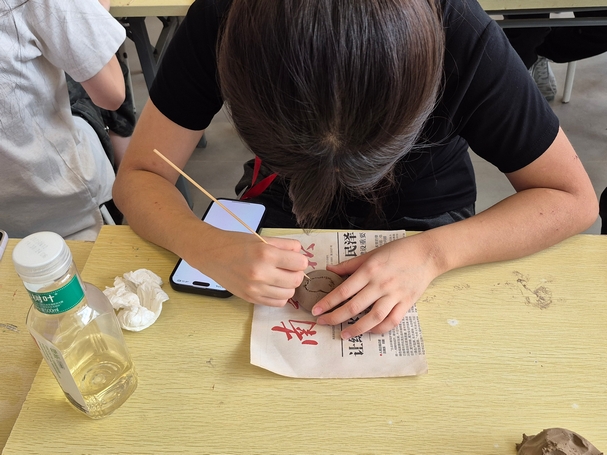
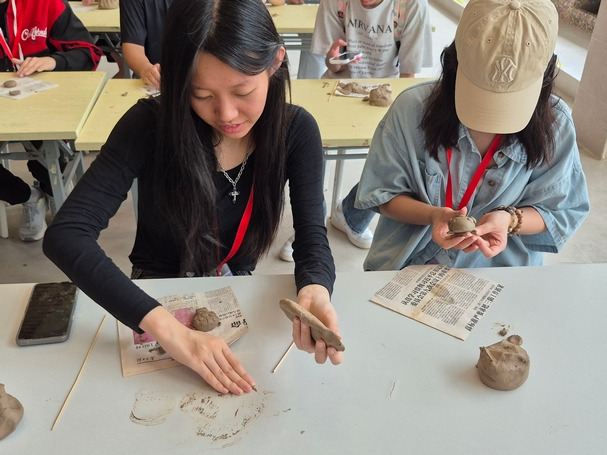
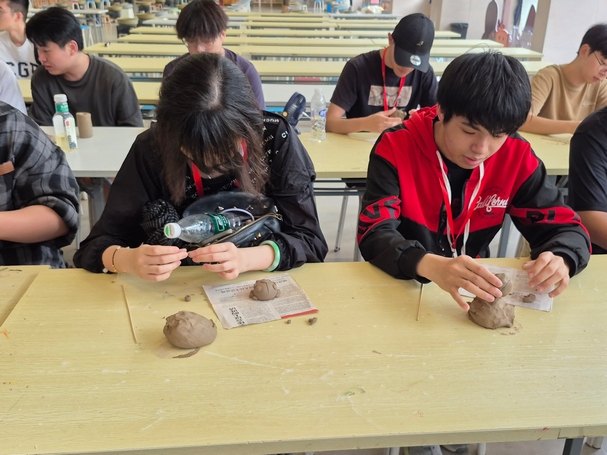
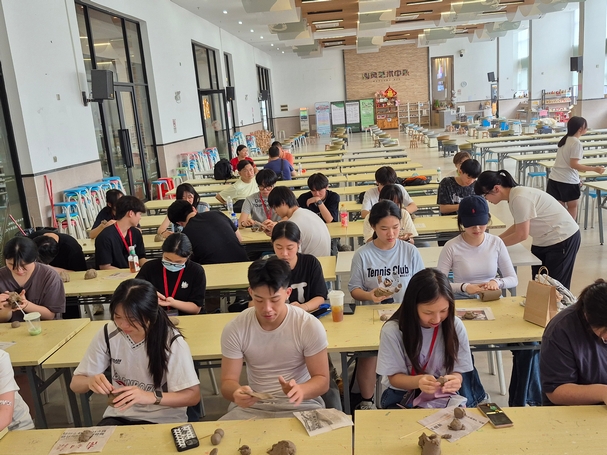
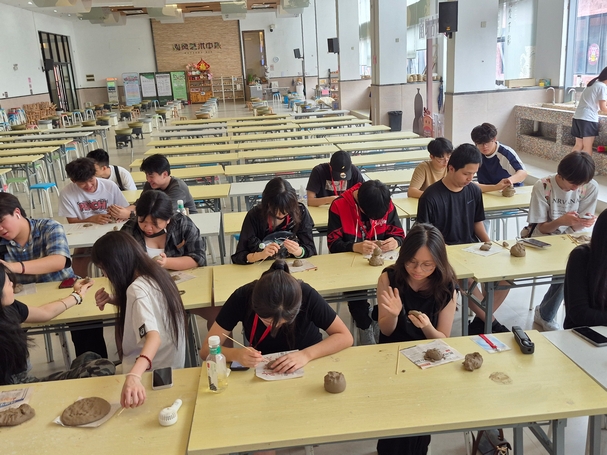
• Experience the creative process of traditional Lingnan pottery, understand Lingnan culture and its history, and explore the feasibility of national cultural heritage conservation in a sustainable manner.